ABOUT DR. KRASKA
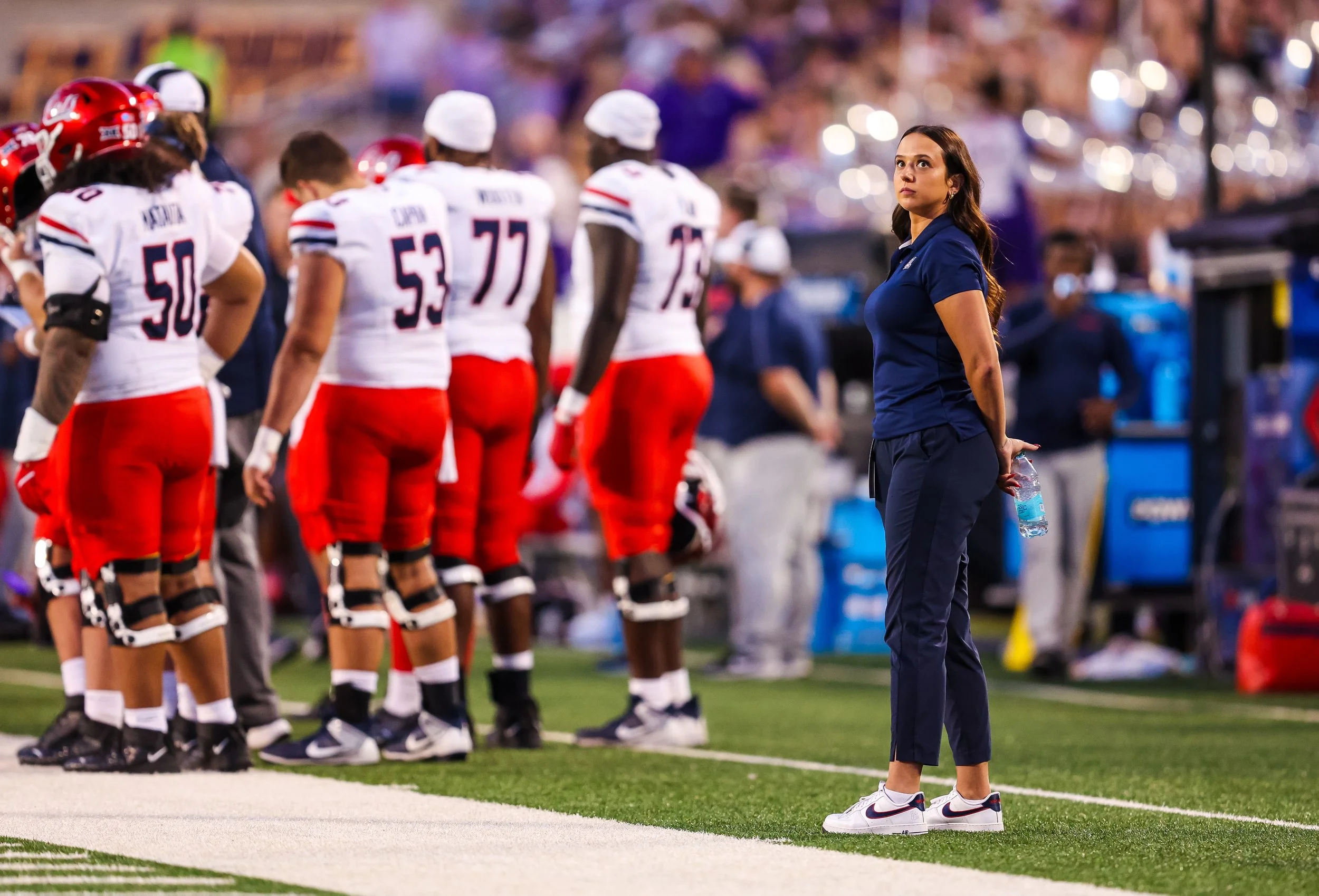
Dr. Jenny Kraska is a licensed Clinical and Sport Psychologist with 8 years of experience working in elite collegiate athletics, including roles at Georgia Tech, University of Arizona, Washington State, and Arizona State. Dr. Kraska specializes in providing mental health and mental performance services to athletes and teams. Dr. Kraska also has extensive experience in collaboration and consultations with coaches, sports medicine, and other athletics staff.
Dr. Kraska earned a doctorate in Clinical Psychology from California Lutheran University, where she specialized in working with athletes. She completed her pre-doctoral internship at Arizona State University’s Counseling Services, specializing in providing mental health and mental performance services to student-athletes. She went on to complete her postdoctoral fellowship at Washington State University Athletics, serving as the lead provider for the athletic department.
Dr. Kraska also earned her master’s and bachelor’s degrees from California Lutheran University. She was a college student-athlete and team captain on the women’s soccer teams at Saddleback College and California Lutheran University. Dr. Kraska is an Atlanta-area native who graduated from Pope High School and returned home to Atlanta in 2024 where she currently resides.
Dr. Kraska is licensed as a psychologist in Georgia and Arizona and is a member of Psychology Interjurisdictional Compact (PSYPACT), which allows her to practice telepsychology in 38 participating states.
dr. kraska’s approach
Person-Centered - Prioritizes the therapeutic relationship and partners with clients to help them move toward more fulfilling and authentic lives.
Evidence-Based - Interventions are grounded in scientific research, using approaches such as Acceptance and Commitment Therapy (ACT) and Cognitive Behavioral Therapy (CBT) to support effective coping, psychological flexibility, and behavior change.
Trauma-Informed - Care is provided with an understanding of how past experiences may impact present functioning, emphasizing safety, choice, collaboration, and empowerment.
Strength-Based - Focuses on identifying and building upon individual strengths, skills, and resilience rather than deficits or limitations.
Performance-Focused - Psychological skills are applied to enhance performance while supporting overall well-being.